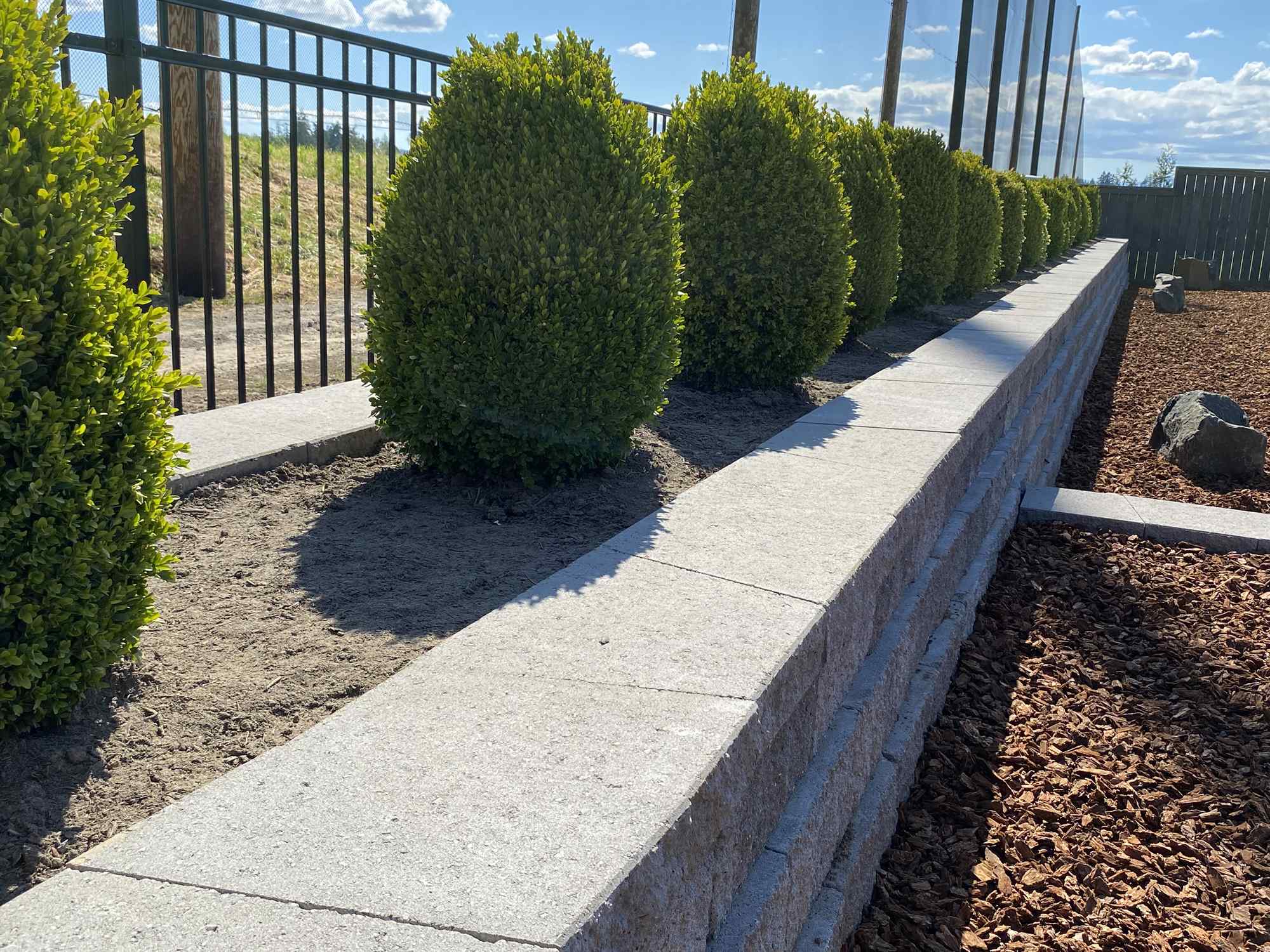

Mulch Application
05 / 05- Material Selection for Plant Type
- Bed Weed Pull & Edge Re-Definition
- 2–3" Depth Application
- Crown & Root Flare Clearance
- Turf & Hardscape Edge Clean-Up
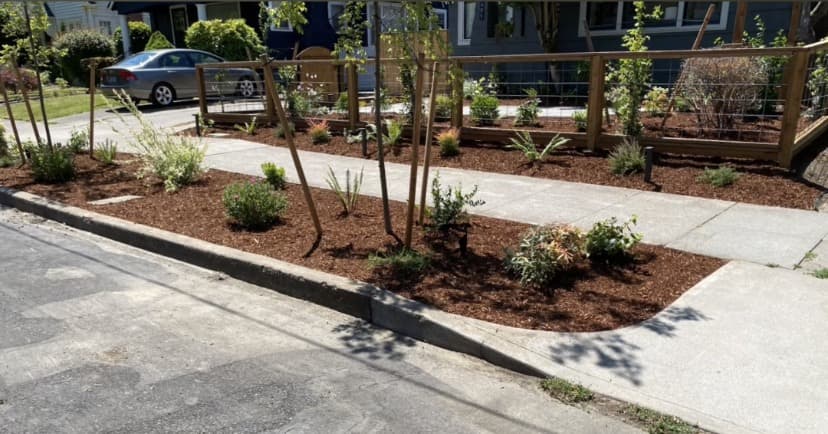
Mulching & Soil Health
The right mulch, applied correctly, at the right depth, does more for your landscape than almost anything else you can do once a year. We do it right.
Portland · Beaverton · SW Washington ·
OR LCB# 9957 · WA GCC# OLGUICL807RZ · Free Estimates
The Service
Mulch isn't just how beds look finished, it's insulation, moisture retention, weed suppression, and slow-release organic matter all in one. Applied at the right depth (2–3 inches, not piled against stems), the right material for your plants, and refreshed on the right schedule, mulch does more for plant health than most fertilizers. Applied wrong, too thick, wrong material, volcano-piled around tree bases, it causes the problems it's supposed to prevent.
We apply organic mulch throughout the Portland Metro, bark, wood chip, and compost blends selected for your planting types and soil conditions. Applications are clean, edged, and pulled back correctly from plant crowns and tree root flares. Soil amendment services are available alongside mulching for beds that need organic matter or pH correction before the next growing season.
Organic Mulch · 2–3" Depth · Crown-Clear
Bark · Wood Chip · Compost Blend · PNW-Selected
5core dimensions
Bark, wood chip, or compost blend, selected for your plant types, your soil, and your aesthetic. Not the cheapest bulk load available, but the right material for what you're growing.
Weeds pulled, edges re-defined, and bed surface raked before any mulch goes down. Starting clean means the mulch layer actually works.
2–3 inches across all bed surfaces. Deep enough to suppress weeds and retain moisture, not so deep it suffocates roots or holds moisture against stems.
Mulch pulled back from plant crowns and tree root flares. Volcano mulching kills trees slowly, we don't do it.
pH testing, compost incorporation, and organic amendment for beds that need correction before the growing season. Paired with mulching for complete soil health service.
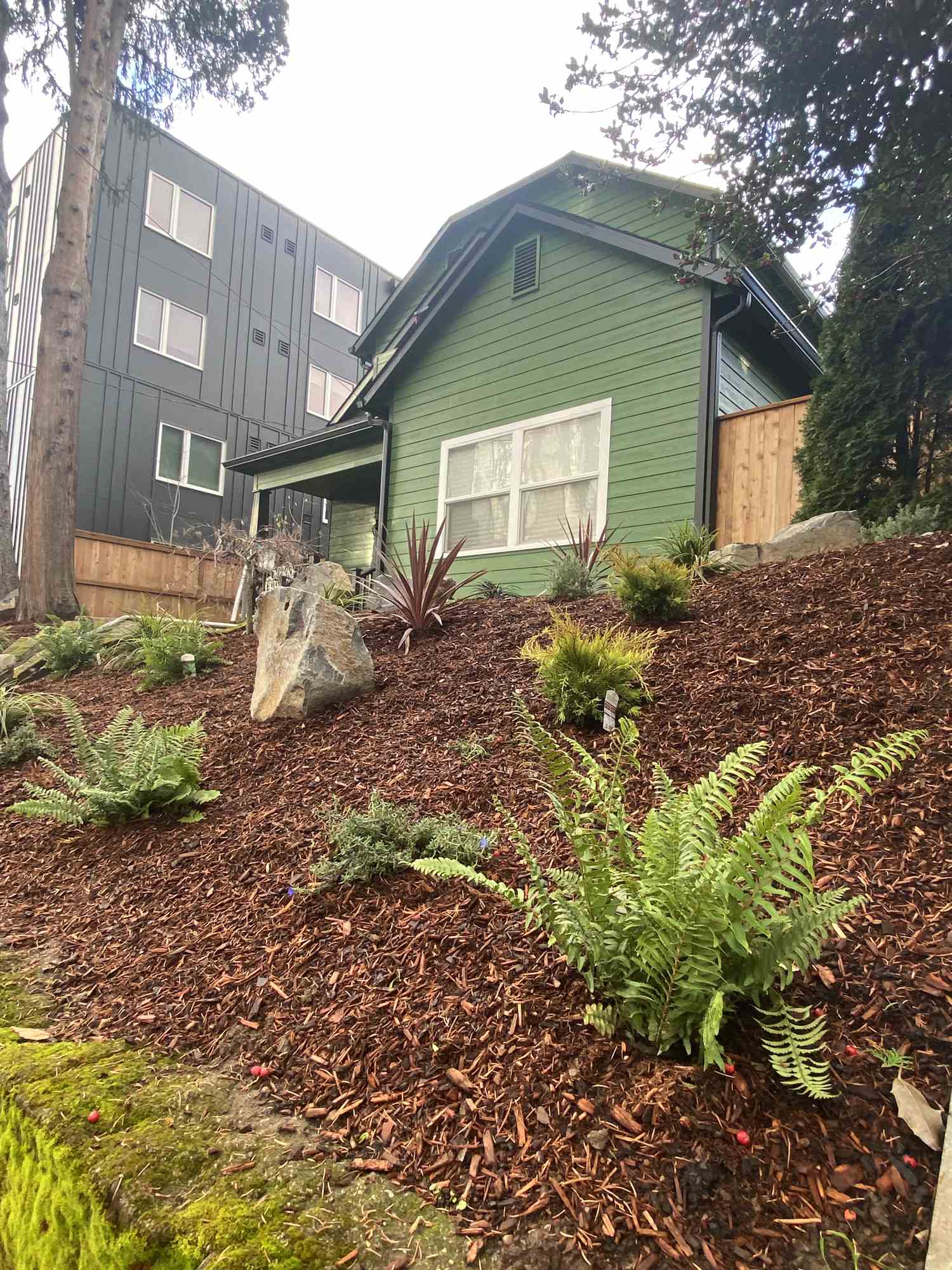
The right material at the right depth, applied clean, edged, and pulled back from crowns. Not a bulk load dumped and spread.
Select material for plant type and soil conditions
Pull weeds and re-define bed edges before application
Apply at 2–3 inch depth, consistent across bed surface
Pull back from all plant crowns and tree root flares
Clean edges between mulch and turf or hardscape
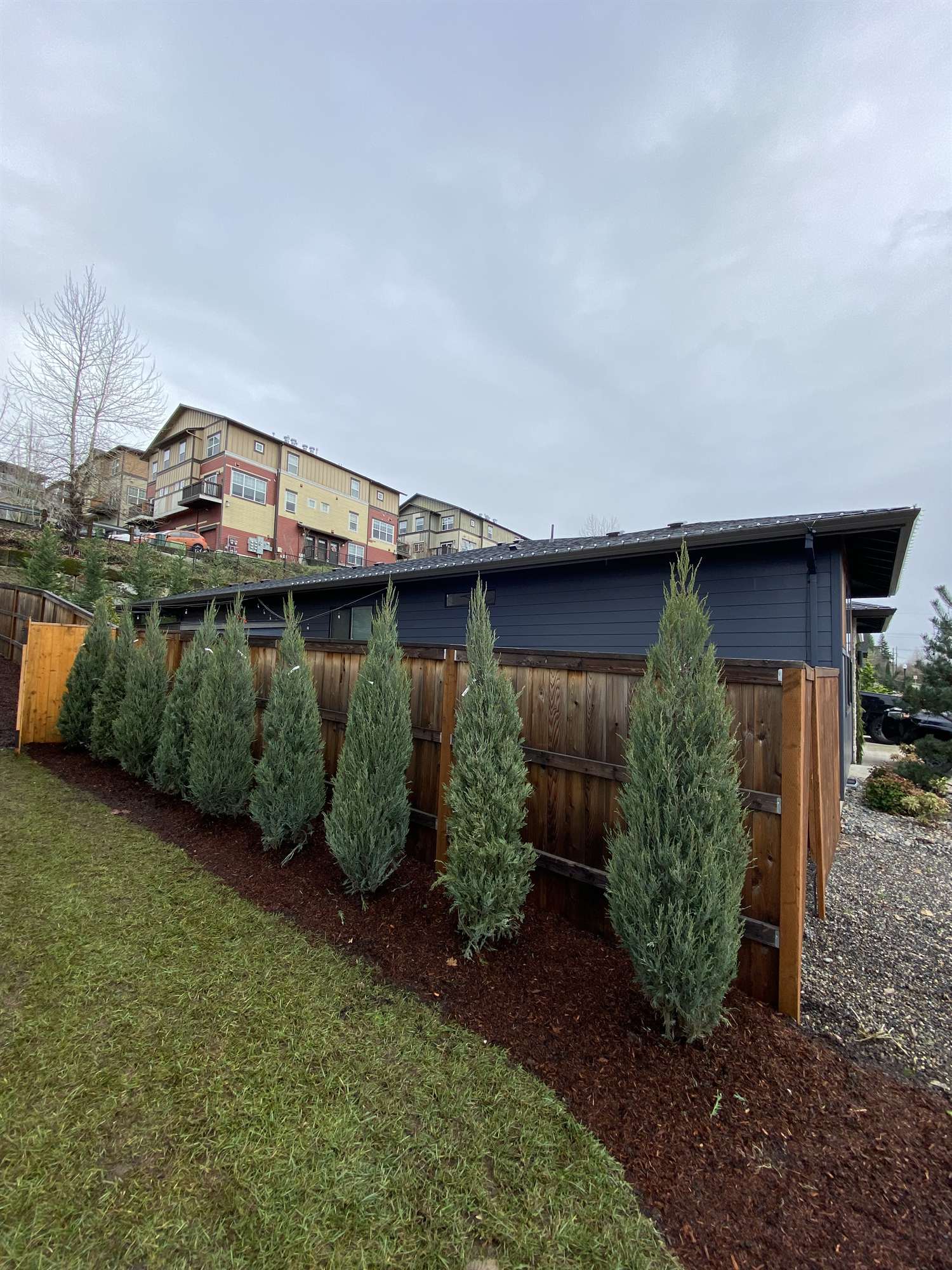
Beds with depleted soil, clay compaction, or pH drift get tested and amended before mulching. Done right once, instead of replaced every year.
Test soil pH and organic matter levels in target beds
Specify amendment type, compost, lime, sulfur, or organic blend
Incorporate amendment into top 4–6 inches of bed soil
Apply mulch layer over amended soil
Set establishment timeline and follow-up amendment schedule
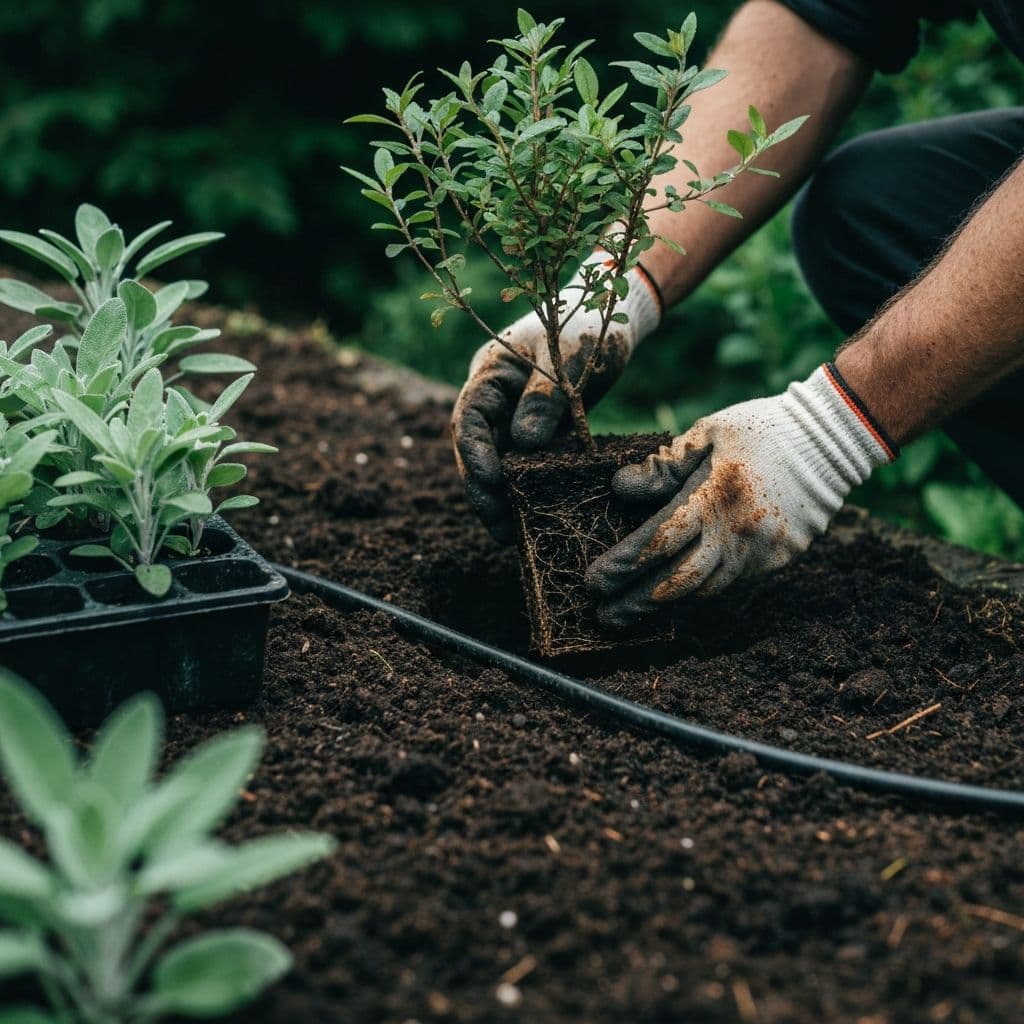
Most landscape beds in the Portland Metro are running on depleted soil. Clay compaction, low organic matter, and pH drift from years of rain leaching, these are what cause plants to decline slowly and require replacing on a regular cycle. We treat mulching and soil amendment as connected services because they are. The mulch layer feeds the soil as it breaks down. The soil feeds the plants. Get both right and your beds stop being a replacement cycle and start being a long-term investment.
“Healthy soil is the lowest-maintenance thing you can invest in.”