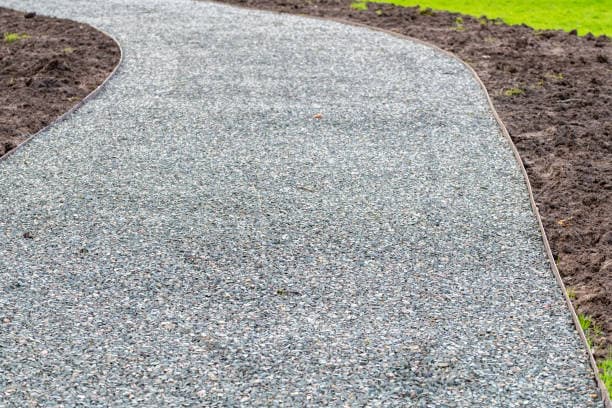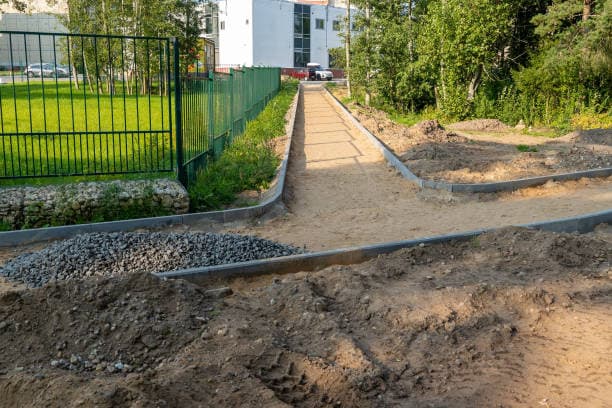
When it comes to installing a gravel pathway for your commercial property, working with a reputable gravel pathway installation company is essential for ensuring a successful, long-lasting result.
A beautifully installed gravel pathway winding through a commercial property in Portland In Portland, OR, businesses and property managers often have questions about choosing the right gravel, complying with ADA standards, preventing erosion, and finding a reliable contractor.
This guide will help you navigate the process and make informed decisions for your project.
Completed gravel pathway installed with neatly laid stones
Choosing the Right Gravel for Your Pathway Best Options for Different Uses
One of the first decisions you'll need to make when planning a gravel pathway is what type of gravel to use.
The best option will depend on factors such as:
- The level of foot traffic the pathway will receive
- The desired aesthetic appearance
- The pathway's role in drainage and stormwater management
| Gravel Type | Best For | Benefits |
|---|---|---|
| Crushed Stone | High-traffic areas, drainage | Durable, angular shape locks together |
| Pea Gravel | Decorative pathways, gardens | Attractive rounded shape, softer texture |
| Decomposed Granite | Accessible routes, natural look | Compacts firmly, permeable, range of colors |
In Portland's climate, which is characterized by heavy rainfall, it's crucial to choose a gravel that will allow for proper drainage and resist erosion.
A knowledgeable gravel pathway installation company can help you select the best material for your specific needs and location.
Ensuring ADA Compliance in Gravel Pathway Installations
For commercial properties, complying with the Americans with Disabilities Act (ADA) is a critical consideration when installing a gravel pathway.
The ADA sets specific requirements for accessible routes, including:
- A minimum clear width of 36 inches
- A firm, stable, and slip-resistant surface
- A maximum running slope of 1:20 (5%) and a maximum cross slope of 1:48 (2%)
- Regular maintenance to prevent obstacles or surface irregularities
A diagram illustrating the key requirements for an ADA-compliant gravel pathway To ensure your gravel pathway meets these standards, follow these steps:
- Design the pathway with appropriate width, slope, and surface characteristics in mind
- Use a gravel type that compacts firmly and resists shifting or rutting, such as decomposed granite
- Install edging or borders to contain the gravel and prevent spillover
- Maintain the pathway regularly by filling in any depressions or ruts and keeping the surface smooth
In Portland, additional local codes may apply to your gravel pathway project.
An experienced gravel pathway installation company will be familiar with these requirements and can ensure your pathway is fully compliant.
Effective Strategies to Prevent Gravel Pathway Settling and Erosion
Over time, gravel pathways can be prone to settling and erosion, particularly in Portland's wet climate.
To prevent these issues and maintain a stable, long-lasting pathway, consider the following strategies:
| Problem | Cause | Solution |
|---|---|---|
| Settling | Inadequate base preparation, poor compaction | Use a geotextile fabric, compact gravel in layers |
| Erosion | Stormwater runoff, lack of containment | Install proper drainage, use edging or borders |
| Potholes | Heavy traffic, loose gravel | Choose durable gravel, maintain regularly |
Proper installation techniques, such as excavating and preparing the base, installing drainage solutions, and using edging materials, can go a long way in preventing these common problems.
Ongoing maintenance is also key. Regularly inspecting the pathway for signs of wear, filling in any depressions or potholes, and replenishing the gravel as needed will help extend the life of your pathway and keep it looking its best.
How to Find the Best Gravel Pathway Installation Company in Portland, OR
Choosing the right gravel pathway installation company is crucial for the success of your project.
When evaluating potential contractors, look for:
- Proven experience with commercial gravel pathway installations in the Portland area
- Knowledge of local soil conditions, climate considerations, and construction regulations
- Positive reviews and references from past clients
- A clear, detailed estimate and scope of work
- Proper licensing, insurance, and bonding
A checklist of questions to ask potential gravel pathway installation companies Don't hesitate to ask questions about a company's process, timeline, and materials.
A reputable contractor will be happy to provide detailed information and work with you to develop a customized plan for your project.
Hiring a local Portland company is often advantageous, as they will be familiar with the unique challenges and requirements of working in the area.
They may also have established relationships with local suppliers and permitting agencies, streamlining the process and potentially saving you time and money.
Understanding the Costs of Gravel Pathway Installation for Commercial Properties
The cost of installing a gravel pathway on a commercial property in Portland can vary widely depending on several factors, such as:
| Cost Factor | Lower End | Higher End |
|---|---|---|
| Gravel Type | Crushed stone, basic pea gravel | Decomposed granite, specialty colors |
| Pathway Size | Small walkways, garden paths | Large parking areas, long accessible routes |
| Site Preparation | Minimal grading, few obstructions | Extensive excavation, drainage installation |
| Special Requirements | Basic edging, standard compaction | ADA compliance, permitting, erosion control |
On average, you can expect to pay between $2 and $5 per square foot for a basic gravel pathway installation.
For a more complex project with higher-end materials, site challenges, or additional requirements like ADA compliance, costs could range from $5 to $10 or more per square foot.
To get an accurate estimate for your project, request detailed proposals from several reputable gravel pathway installation companies.
Be sure to provide them with as much information as possible about your specific needs and site conditions to ensure a comprehensive and accurate bid.
Why Trusting Local Experts with Your Gravel Pathway Project Matters
Installing a gravel pathway on a commercial property is a significant investment, and the quality of the workmanship can have a long-lasting impact on the functionality, safety, and appearance of your outdoor space.
By partnering with a specialized gravel pathway installation company that has local expertise, you can:
- Ensure your pathway is designed and installed to withstand Portland's unique climate and soil conditions
- Navigate local permitting and regulatory requirements with ease
- Select the best materials and installation techniques for your specific needs and budget
- Achieve a durable, low-maintenance pathway that will serve your property for years to come
- Maximize the value of your investment and enhance the overall appeal of your commercial space
A team of professional gravel pathway installers working on a commercial project in Portland When you work with a reputable local company, you benefit from their deep understanding of the region's challenges and opportunities, as well as their commitment to delivering high-quality results that will stand the test of time.
By following the guidelines outlined in this article and partnering with trusted experts, you can approach your gravel pathway project with confidence and achieve a successful outcome that meets all of your functional, aesthetic, and budgetary goals.
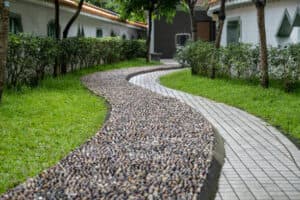
Curved gravel path in a garden surrounded by greenery and shrubs
FAQs
What type of gravel is best for a high-traffic commercial pathway?
For high-traffic areas, choose a durable, angular gravel like crushed stone that will lock together and resist shifting. Decomposed granite is also a good choice, as it compacts firmly and provides a stable, accessible surface.
How can I ensure my gravel pathway complies with ADA standards?
To create an ADA-compliant gravel pathway, design it with a minimum clear width of 36 inches, a firm and stable surface, and a maximum running slope of 5% (1:20). Use a gravel type that compacts well, install edging to contain the gravel, and maintain the pathway regularly.
How do I prevent settling and erosion on my gravel pathway over time?
Proper base preparation, including excavation and compaction, is key to preventing settling. Install a geotextile fabric beneath the gravel to improve stability. To prevent erosion, ensure adequate drainage, use edging or borders, and choose a durable gravel type suitable for your climate and traffic level.
How do I choose a reliable gravel pathway installation company near me?
Look for a company with proven experience in commercial gravel pathway installation, knowledge of local conditions and regulations, positive client reviews, and proper licensing and insurance. Request detailed estimates and ask questions about their process, timeline, and materials.
What are the typical costs of gravel pathway installation for commercial properties in Portland?
Basic gravel pathway installations can cost between $2 and $5 per square foot, while more complex projects with higher-end materials, site challenges, or special requirements like ADA compliance may range from $5 to $10 or more per square foot. Get detailed estimates from reputable local companies for an accurate projection.