When it comes to outdoor kitchens, a lot can go wrong, but almost none of them fail because of the grill itself.
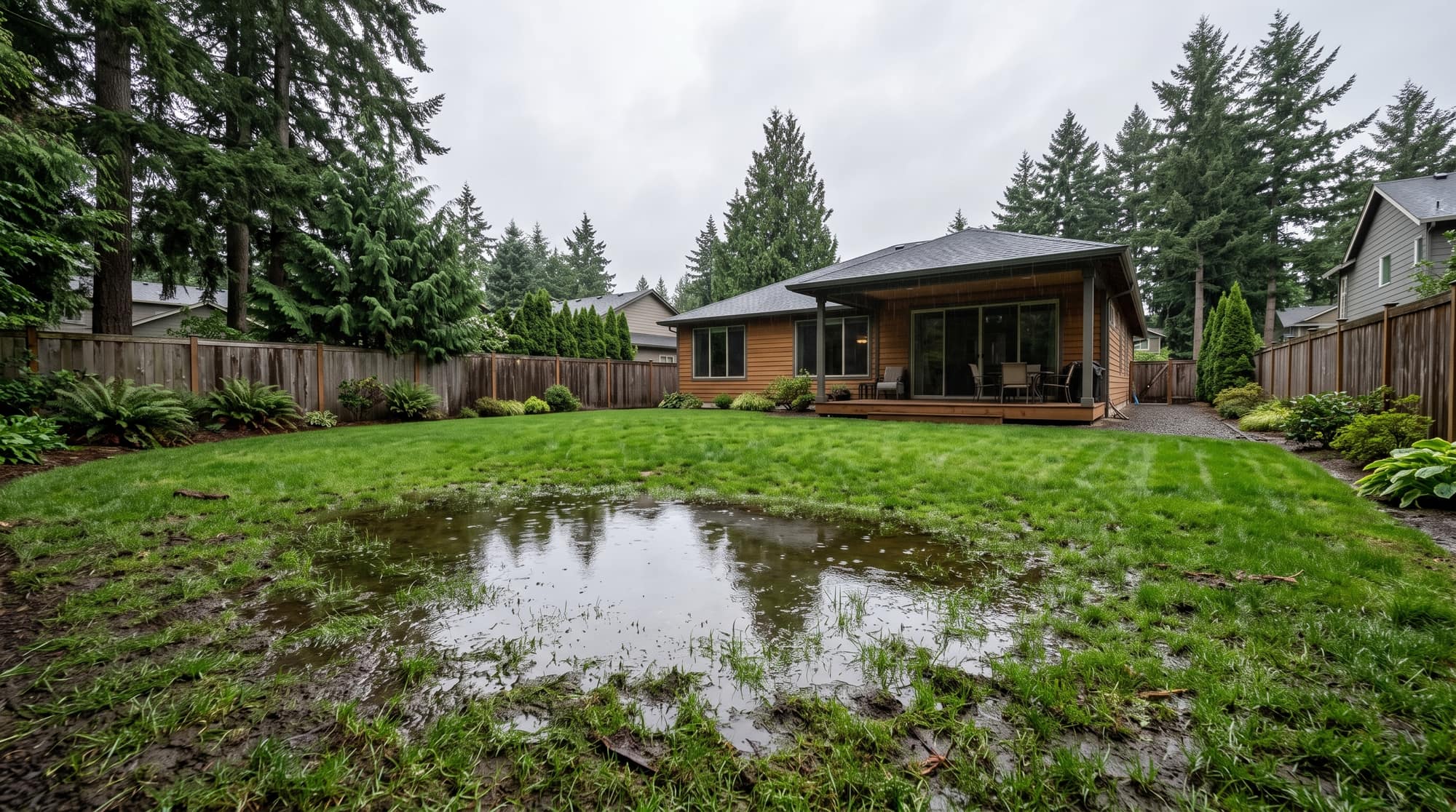
When you're building an outdoor kitchen in the Portland area, you have to design for wet winters, heavy freeze-thaw cycles, and local clay soil that simply doesn't forgive structural shortcuts. A lasting space requires a solid foundation, careful utility planning, and a deep understanding of Pacific Northwest weather.
To help you succeed in your outdoor kitchen planning, I've compiled the five most common mistakes to avoid. Here's what my team and I see most often in the field, along with my practical advice on what to do instead.
1. Skipping Proper Footing and Compaction
An outdoor grill island isn't just heavy furniture sitting on top of your patio pavers. It's a massive masonry structure that requires a real concrete footing underneath, supported by the same gravel base and mechanical compaction you'd use under a structural retaining wall. Skipping this step is one of the most common structural errors when constructing a custom grill station.
Without deep excavation and mechanical compaction, Portland's winter freeze-thaw cycle gets underneath the concrete slab. Over just a couple of seasons, the shifting ground causes visible cracking, tilting, and settling.
I've personally repaired patios less than two years old where the base was never compacted properly. On one specific job site, I could easily push a metal stake bar eighteen inches into the ground by hand. Because you can't see this shortcut from the finished surface, it's often the first place rushed builders cut corners. Proper hardscape installation is essential to prevent your heavy stone structures from sinking over time.
2. Adding Gas and Electrical as an Afterthought
Trying to figure out your utilities after your kitchen layout is already set is a massive headache. It's also one of the most expensive design errors to fix down the road. A built-in grill running on natural gas requires an underground utility line run to the exact right spot, fully inspected and sealed, before any masonry construction moves forward.
Lighting and refrigerators require the same early planning. Cheap utility work, like two wires twisted together and taped, will fail when exposed to seasonal moisture. That's not a problem you want to discover after your custom countertops are already poured or your stone veneer is sealed. Make utility planning a primary focus from day one of your outdoor kitchen planning phase.
3. Underestimating the Real Outdoor Kitchen Cost
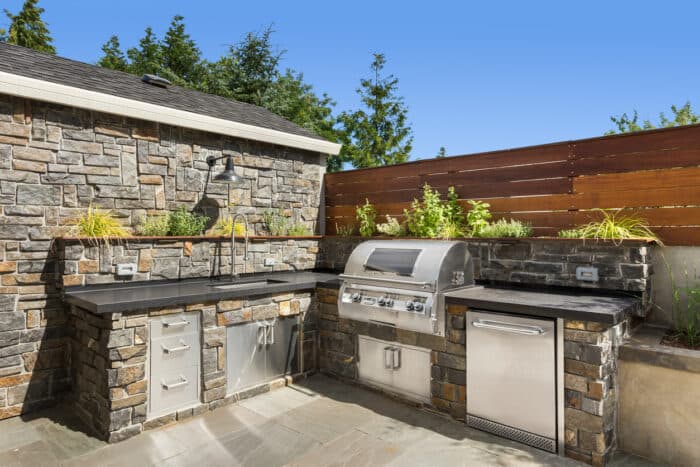
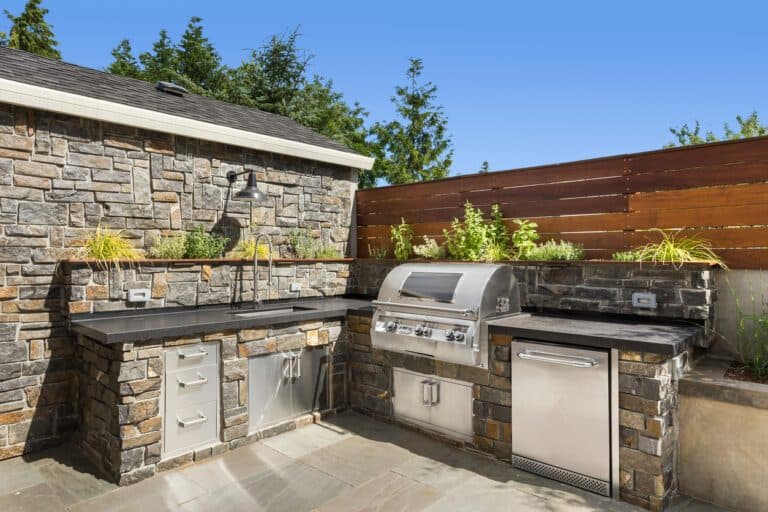
When people think about outdoor kitchen cost, they often lowball their budget by comparing a basic, pre-fabricated grill cart to a fully customized masonry build. An outdoor kitchen with a sink, refrigerator, custom bar seating, and a protective patio cover is a major construction project. High-quality materials like natural stone veneer and premium granite countertops cost more than concrete block and laminate, but they survive the wet Pacific Northwest climate for decades.
At Olguin's C Landscaping LLC, we maintain a $5,000 minimum for hardscape and construction work. This isn't a sales tactic. It's simply what it costs to perform the excavation, foundation work, and base compaction correctly. If a contractor quotes a price significantly below this for a custom build, they're likely cutting corners on the foundation or using subpar materials that will fail early. Investing in durable materials now prevents expensive rebuilds later.
4. Ignoring Drainage Near Planters and Garden Beds
If your kitchen sits next to a raised planter or a garden bed, you need a dedicated drainage plan. On one of our recent projects, custom planters arrived with pre-drilled drain holes sitting directly on top of freshly installed pavers. Left alone, watering those plants would have washed soil, fertilizer, and mineral deposits straight onto the stone, staining the pavers permanently.
We resolved this by raising the pavers with matching stone and running dedicated drainage lines under each planter, directing water safely into the soil instead of letting it pool on the hardscape. It's an easy detail to overlook because it doesn't involve the grill itself, but poor drainage can ruin a beautiful patio in just a few seasons.
5. Designing Around a Template Instead of Your Cooking Habits
Designing your space is about more than aesthetics. Building an outdoor kitchen should match how you actually use your yard, not a generic showroom template. Some homeowners want a massive setup with a sink, fridge, and bar seating to host large neighborhood gatherings. Others just want enough counter space to handle weeknight family grilling without running back and forth to the indoor kitchen. Building a massive layout just because it looks great in photos is a waste of money if you only ever use the grill.
Investing in a 3D design consultation before construction begins is the smartest way to ensure you get exactly what you need. This process lets you see the layout, flow, and materials in a virtual model, making it easy to adjust the design to fit your lifestyle before a single stone is laid.
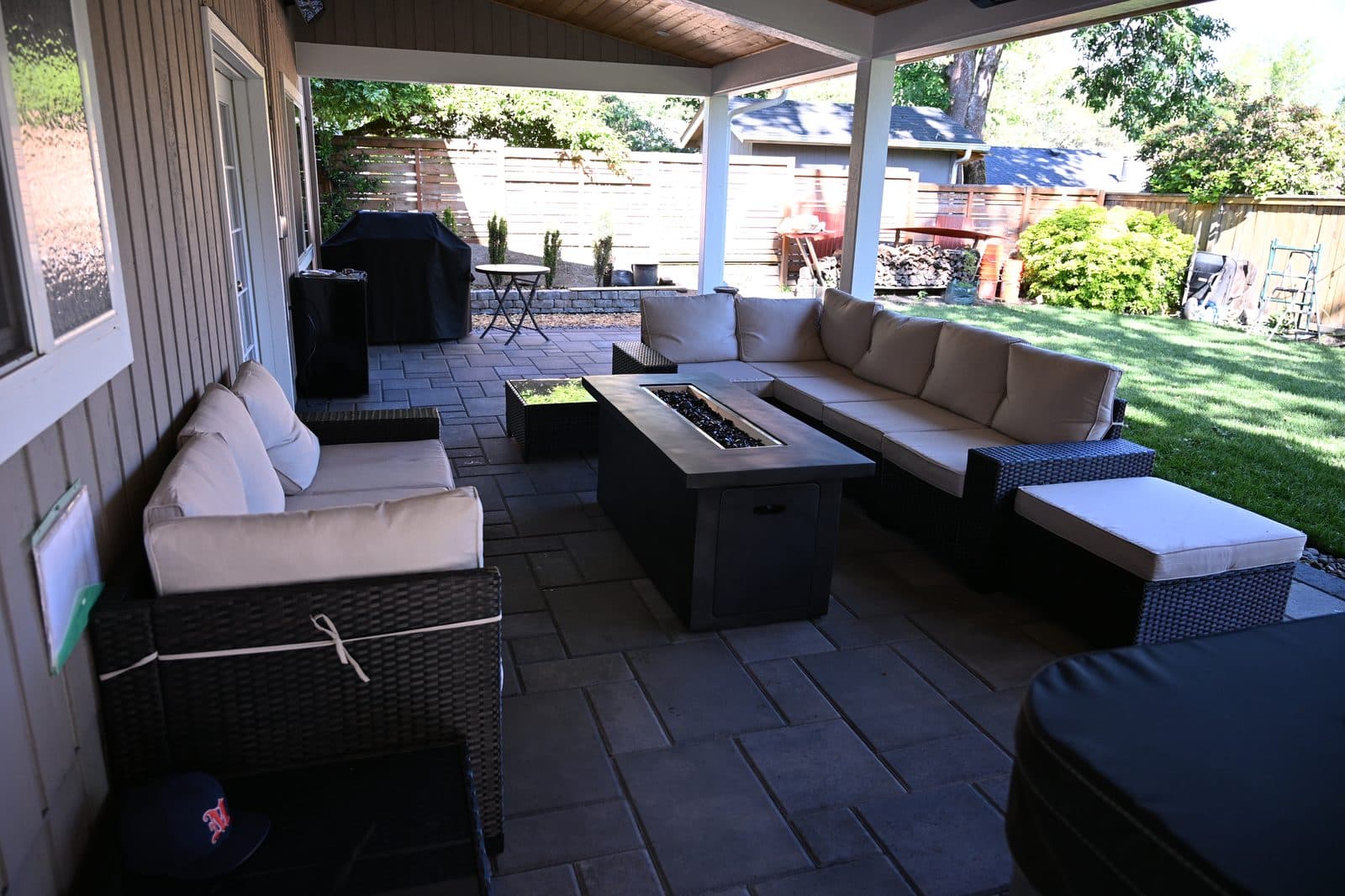
Covered patio with fire table and sectional seating built for everyday outdoor living
Don't Let These Mistakes Cost You Later
Most errors made when building an outdoor kitchen are invisible on day one. They show up two or three years down the road as cracked slabs, stained patios, or an awkward layout that nobody actually uses. Getting the foundation, utilities, and layout right from the very start is what makes your investment last.
If you're planning a project for this summer, request a free on-site estimate and I'll personally walk the site with you before anything is designed or built.