Most backyard entertaining advice reads the same way: buy string lights, add an outdoor rug, maybe get a fire pit. That's fine if your yard already has good bones. But if the space itself isn't built for how you actually want to use it, no amount of decor fixes that.
My team and I hear a version of the same thing from almost every client at the start of a project: they don't just want a patio, they want somewhere to actually live outside. Here's how that translates into a yard that works for entertaining, not just one that looks good in photos.
Design Around How You Actually Spend Time Outside, Not a Template
The biggest mistake in backyard planning is treating it as one flat space instead of a few connected ones. A single slab patio works fine for a table and chairs, but it doesn't leave room for a fire pit conversation area, a grilling zone, and somewhere for kids to run around without everyone bumping into each other.
The right layout depends entirely on how you actually use your yard. Someone who hosts big family gatherings needs different zones than someone who mostly wants a quiet spot for morning coffee. That's the starting question before any materials get chosen: what do you actually want to be doing out here, and how often?
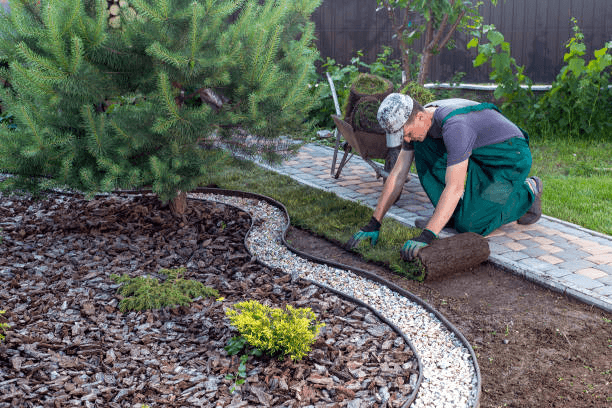
One recent project centered on a client whose real passion was gardening. Instead of a standard planting bed, my team custom-built raised beds with fertilizer layered into the base of the soil, so as the plants grow, the bed keeps feeding itself. That's the kind of detail that only gets built when the design starts from a real conversation about what someone wants their yard to do for them, not from a catalog of popular features. If you're not sure where to start, a landscape design consultation is the fastest way to turn "I want to entertain more" into an actual layout.
The Underground Work That Makes Multi-Zone Yards Actually Work
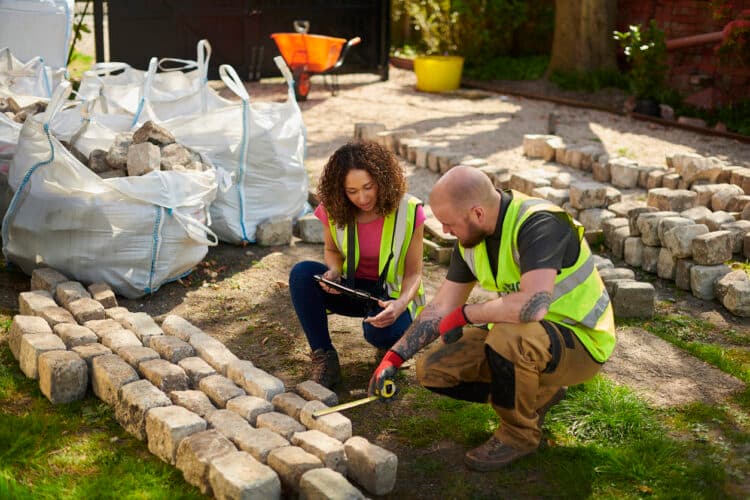
A yard with multiple entertaining zones, a paver patio here, a fire pit area there, a garden bed nearby, has more going on underneath it than a single flat patio does. Drainage has to be planned across the whole space so water finds its way out instead of pooling between zones. Elevation changes need to be intentional, not something that just happens because the yard wasn't graded evenly.
This matters more than most homeowners expect. On one project, custom raised planters were delivered with pre-drilled drainage holes and set directly onto freshly installed pavers. Without a fix, watering those plants would have left a permanent stain on the hardscape below. The solution was raising the pavers with matching stone and running dedicated drainage lines under each planter, so water goes where it should instead of sitting on the patio surface.
None of that is visible once a project is finished. But it's the difference between a backyard that still looks sharp in three years and one where the patio's already sinking or the planters have ruined the pavers underneath them.
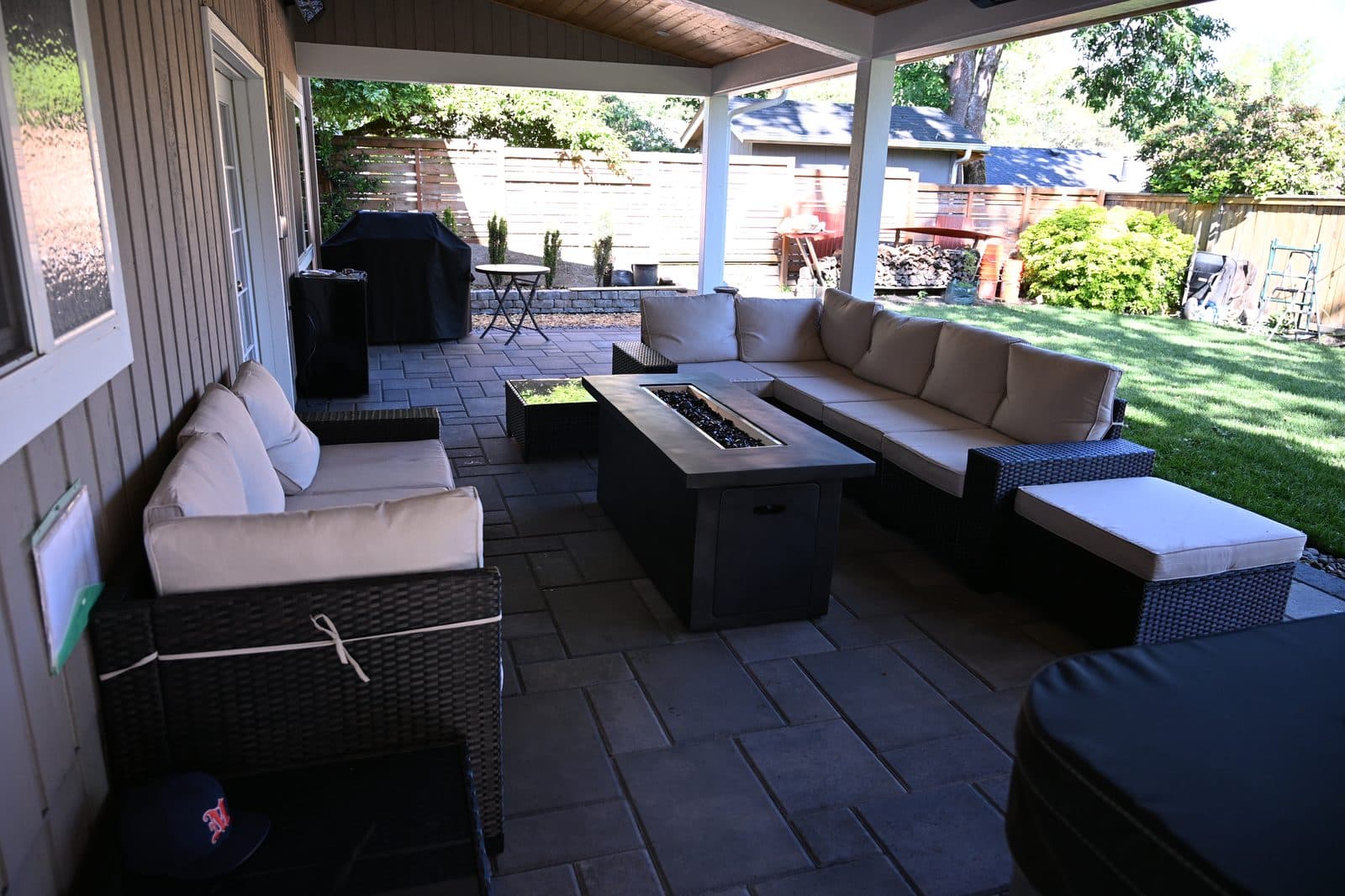
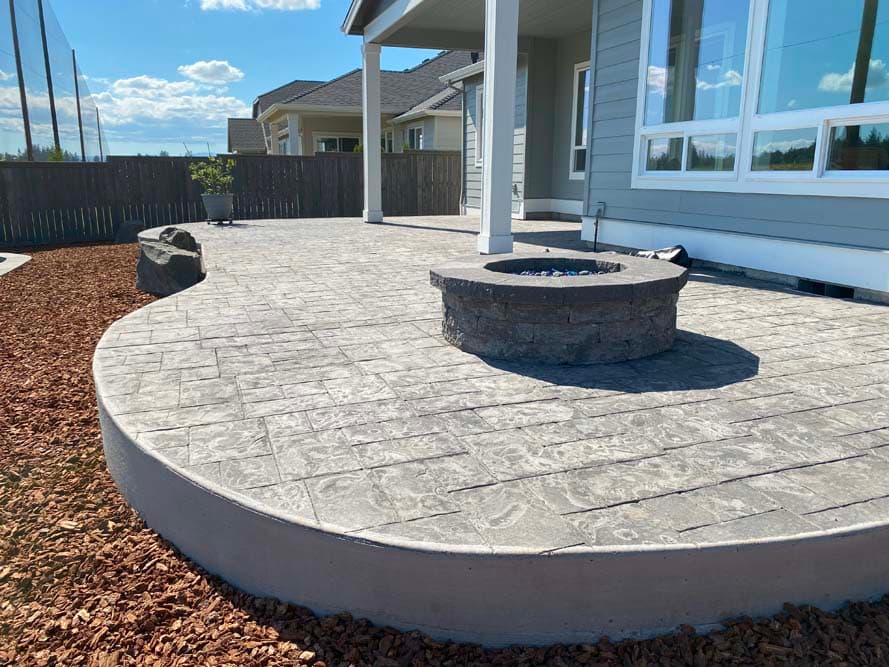
Covered patio with fire table and sectional seating built for everyday outdoor living
Building in Flexibility for Every Season
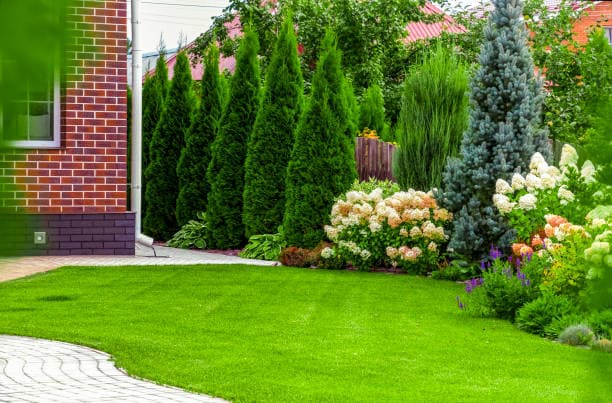
Portland's outdoor season doesn't have to stop when summer ends. A covered patio area with a fire feature means you can still use the space through fall and into the cooler months, not just June through August. A well-placed pergola or patio cover stretches that window even further by giving you shade in July and a dry gathering spot in October. Choosing plants suited to Pacific Northwest conditions and hardscape materials that hold up through wet winters, rather than ones that only look good in July, keeps the investment working year-round instead of six months out of twelve.
That long view is also why a proper foundation matters so much. A patio or fire pit area built on a properly compacted gravel base handles freeze-thaw cycles far better than one thrown together quickly, which is exactly the kind of shortcut that shows up as cracking or settling a year or two later. It's the same underlying principle behind building an outdoor kitchen the right way or installing a fire pit safely: the parts you don't see are what determine whether the parts you do see last.
Why We Think This Is Important
A backyard that's designed around zones rather than one flat surface gets used differently than one that isn't. Homeowners tell us the difference isn't cosmetic, it's that people actually go outside more, host more often, and stop treating the yard as an afterthought to the house.
That's really the whole point of doing this work carefully instead of quickly. A space built around drainage, grading, and a real foundation holds up through Portland's wet winters and keeps looking finished instead of patched together. You can browse examples of finished multi-zone backyards in our project gallery to see what that looks like in practice.
Plan Your Space Before the Summer Gets Away From You
A backyard built around how you actually want to use it holds up better, gets used more, and doesn't need a redo in a few years. If you're thinking about turning your yard into a real entertaining space this summer, request a free on-site estimate and walk through the options with me directly.
FAQs
What's the biggest mistake homeowners make when planning a backyard for entertaining?
Treating the yard as one flat space instead of a few connected zones. A single patio slab works for a table and chairs, but it doesn't leave room for a separate fire pit area, a grilling zone, and open space for kids or guests to move around.
Do I need special drainage planning for a multi-zone backyard?
Yes. A yard with a patio, fire pit area, and garden beds has more happening underneath it than a single flat patio. Drainage needs to be planned across the whole space, and elevation changes need to be intentional, or water pools between zones and damages pavers and planters over time.
Can I still use my backyard entertaining space after summer ends in Portland?
Yes, with the right design. A covered patio with a fire feature, along with materials chosen to hold up through wet winters, keeps the space usable through fall and into the cooler months instead of just June through August.
Why does the foundation matter so much for a patio or fire pit area?
A properly compacted gravel base handles Portland's freeze-thaw cycles far better than a foundation thrown together quickly. Skipping this step is invisible at first but typically shows up as cracking or settling within a year or two.